So we are building something better—a medical practice where doctors actually have time to listen, investigate what’s wrong, and help you build the body that performs for life”
We became doctors because we wanted to help people actually live better—not just manage symptoms. And we knew the biggest impact in someone’s health comes from the fundamentals: resilient mental health, consistent training, smart nutrition, and real lifestyle change.
As we applied this approach, we watched our patients get stronger, more confident, and healthier than they’d ever been. People were coming off chronic medications, reversing conditions, and feeling like themselves again. Our patients were thriving—and we were finally practicing medicine the way it was meant to be practiced.
You can’t keep the lights on doing medicine the right way in an insurance-based system.
Traditional healthcare pays clinicians using “fee-for-service,” which means you only get paid for doing things—procedures, injections, tests. The more billable tasks you do, the more you earn. But the things that create real health—talking, teaching, mentoring, guiding—are valued at exactly $0.00 by most insurance plans.
So in the traditional system, there’s no sustainable way to give patients what actually works.
No time to teach.
No time to listen.
No time to build a real plan for a real human.
And we hit a breaking point.
We realized the system wasn’t built for patient health.
It was built for throughput.
We weren’t practicing medicine—we were following insurance protocols.
We weren’t working for our patients—we were working for payors.
And our job wasn’t to build health—it was to survive a broken model.
To break away from a system that doesn’t serve anyone and build a clinic that actually does.
Guide and collaborate with our patients so they can live their lives with as minimal medical intervention as possible.
Getting your body's systems working properly
Building strength and capability that lasts
Optimizing the chemical messengers that control everything
Training first, medication as strategic support when needed. Never the other way around. We don’t just manage disease—we train you in a system for cultivating a better life through better health.
Here we consider that health is at the foundation of building the good life. It is not everything—for instance, one needs to also manage one’s money, power, and relationships, among other things—that being said, little else matters when one is dead or profoundly ill. To the degree that we care about preventing and undoing chronic disease we are consequently a clinic/ medical practice.
On the other hand, health is much more than the mere absence of pathology. One can be healthy and physically incompetent to do anything meaningful. Health, outside pathology, looks to the development of physical and psychosocial attributes, namely strength, mobility, agility, resilience, and adaptability. To the degree that we care about developing a person’s attributes we are therefore a training group.
This marriage of movement and medicine is most evident in our core value that all of our healthcare decisions begin with understanding movement and the environment that the patient-athlete must navigate. Off this metaphor-but-not-a-metaphor we can then derive nutrition, necessary skills, assess for liabilities, and then derive solutions to cover those liabilities.
We coach and develop training programs with the diligence traditionally considered for prescription medications; we manage and select our medications with the same sense of long term adaptation and change expected of a coach.
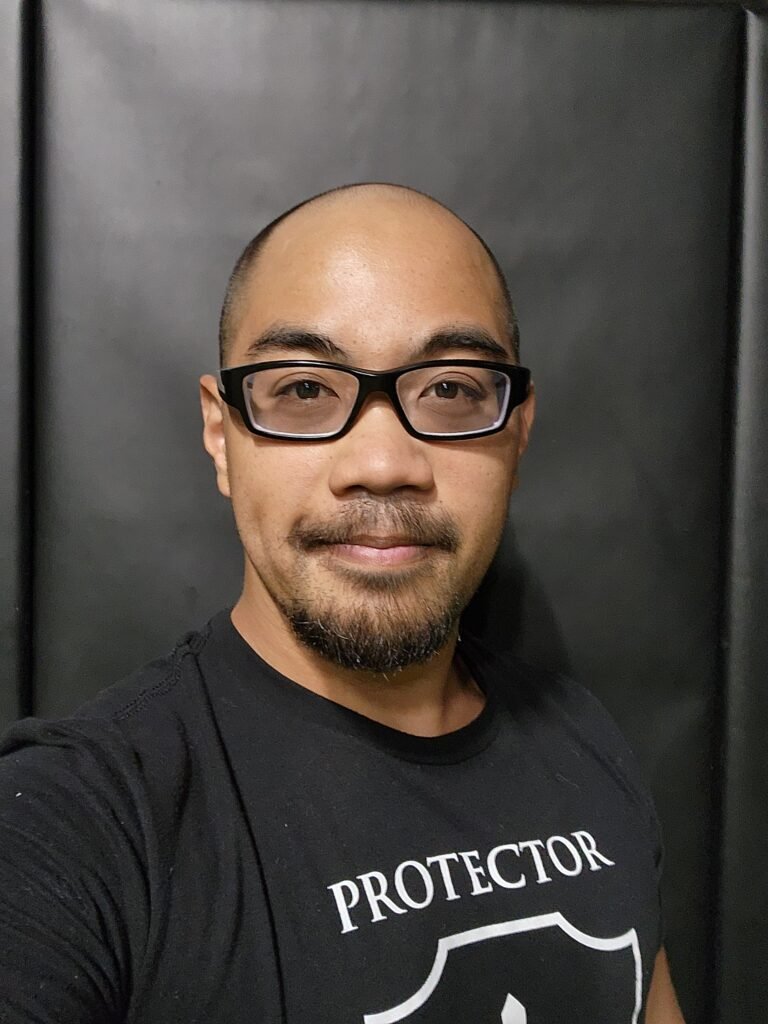
Dr. Paredes has trained in Filipino Martial Arts and StrongFirst kettlebell work since 2009. He teaches martial arts in Dallas, serves as a team physician, and trains daily—balancing his own programs and nutrition with family life.
As both a martial artist and clinician, Dr. Paredes became known for helping his students and patients stay strong, mobile, and out of chronic disease. What began as “how do I prevent diabetes?” evolved into “how do I return to training after a heart attack?” He even kept kettlebells and pull-up bars in his old practice so patients could learn how to move again.
Helping people break free from the limits of chronic disease.
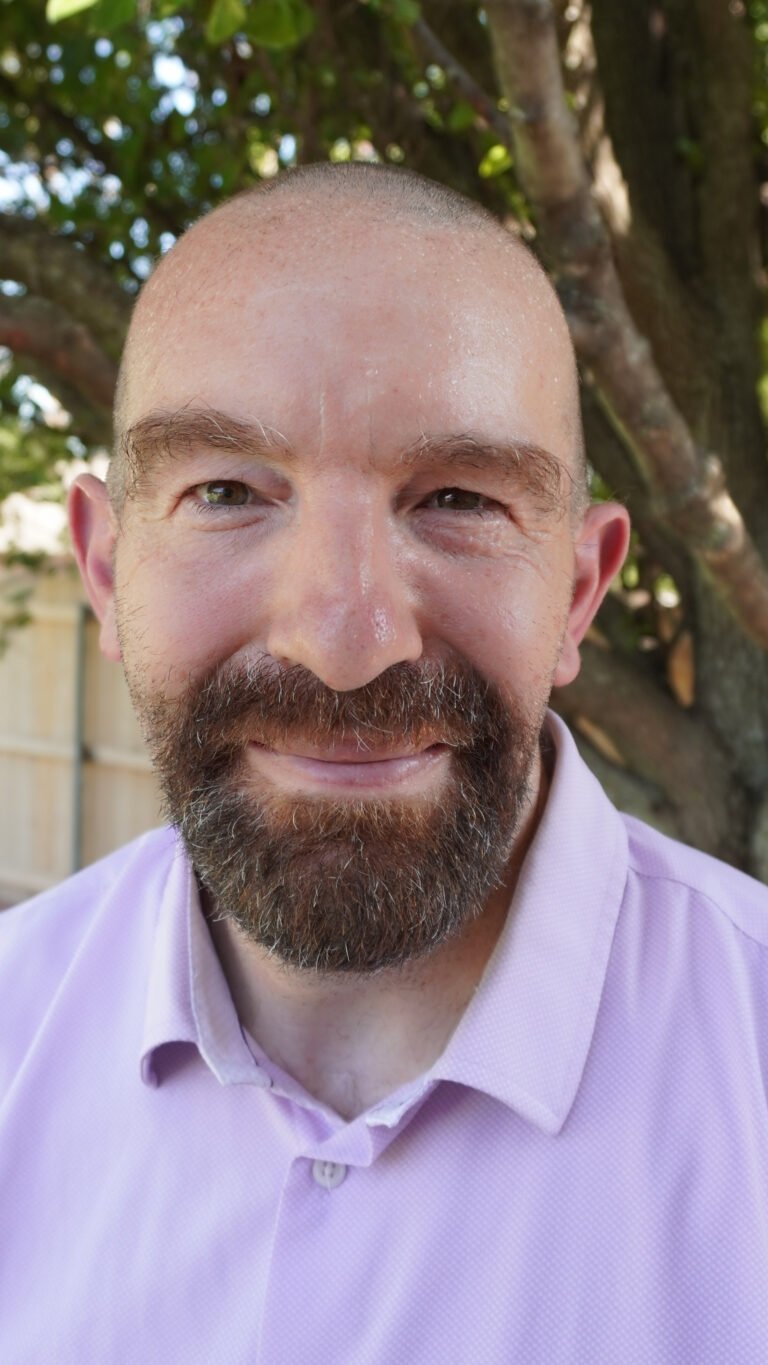
Dr. Aston trains to stay physically competent—lifting heavy, using kettlebells and barbells, doing bodyweight work, and mixing in kickboxing and recreational sports. His military background reinforced the importance of strength and fitness, and he continues to train in ways that help his body move well and recover quickly.
Throughout his adult life, Dr. Aston has wrestled with his weight. Medical school and residency pushed that struggle even further, but he realized he couldn’t ask patients to follow lifestyle advice he wasn’t following himself. By adjusting his nutrition—both what he ate and when—he saw meaningful results and felt a renewed sense of alignment between his life and his medical practice.
Seeing patients achieve results they once thought weren’t possible.
Begin with a 15-minute conversation to make sure we’re a good fit. No pressure—just an honest check to see if our approach aligns with what you need.
Start with a free 15-minute assessment. No pressure, no obligation—just clear answers about what’s blocking your progress and what to do next.
Questions? We’re here for you. Reach us at (214) 326-0801 or contact@olympushealth.co
© 2025 Olympus Health. All rights reserved.